

Improving weather observation to enhance climate resilience

Dr. Prithiviraj Booneeady is the coordinator of the Southern Africa Development Community Climate Services Center (SADC-CSC), providing operational and regional services for monitoring and predicting climate extremes.
Mainstreaming climate information services is key in development planning, as it helps to reduce the climate change vulnerability in the Southern Africa region. In 2017 the African Development Bank through the Climate for Development in Africa Special Fund (CDSF) in collaboration with the European Commission financed the Southern African Regional Climate Services for Disaster Resilience (SARCIS-DR) precisely to build the capacity of the SADC Climate Services Center and contribute to improve climate resilience, and disaster risk management in the region.
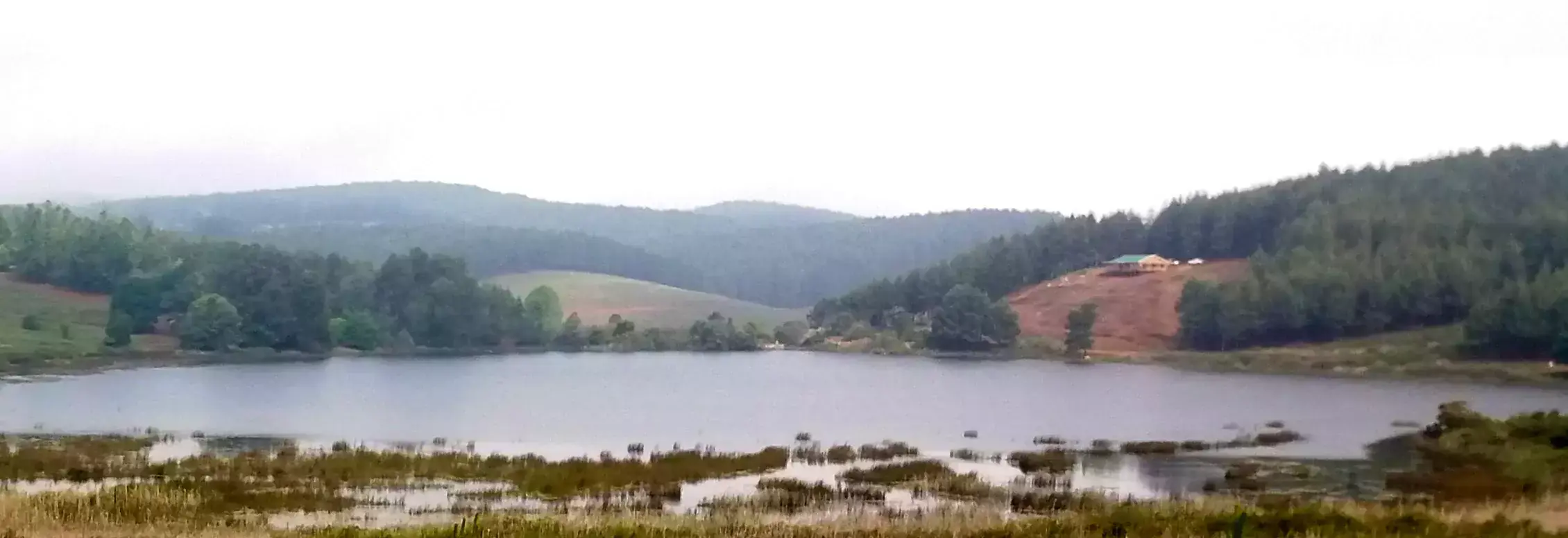
Southern Africa is vulnerable to climate change and its extremes. Agriculture, water resources, hydropower generation, ecosystems and basic infrastructure face grave pressure due to increasing frequency and intensity of floods and droughts. The development of improved climate information is essential to addressing these challenges.
The Southern African Development Community (SADC) is a regional economic community made up of Angola, Botswana, the Democratic Republic of Congo, Comoros, Eswatini, Lesotho, Madagascar, Malawi, Mauritius, Mozambique, Namibia, Seychelles, South Africa, Tanzania, Zambia, and Zimbabwe. The main thrust of SADC is to achieve meaningful development and economic growth, alleviate poverty, enhance the standard and quality of life of the people of Southern Africa and support socially disadvantaged regions through regional integration. With the increasing impacts of climate change on its development, SADC Member States collaborate to adapt to, and mitigate, the effects of climate change in the region.
Dr. Prithiviraj Booneeady joined the SADC Secretariat in 2018, bringing over 20 years’ experience on climatology, operational meteorology, marine meteorology and agro-meteorology. Raj and his team develop and disseminate meteorological, environmental and hydrometeorological products, such as forecast bulletins, prediction maps, and seasonal forecasts that contribute to improved climate resilience, and disaster risk management in the region. These products ensure that the SADC countries are better prepared for weather and climate disasters, conservation and protection of natural resources.
For Raj “there are two groups of climate specialists, those who produce the information and the users.” The SADC Climate Services Centre provides operational, regional services for monitoring and predicting extremes in climate condition. There are four such centers covering the whole of Africa, with the SADC Climate Services Centre being the only one in the region
Raj recalls with sadness the situation of the drought in southern Angola and the cyclone in Mozambique.
The southern Africa region experiences climate extremes and natural hazards that cause significant loss of lives and properties and sets back economic and social development in the region. Between 2000-2012, more than 14 million people were significantly affected and property worth over $500 million were damaged due to flood-related events in the region. At the same time, several countries in the southern and western parts of the region experience frequent drought spells that amplify food insecurity conditions. Moreover, the availability of relevant and reliable weather and climate information in SADC countries has been hindered by poor development of meteorological infrastructure. This deteriorating state of infrastructure and facilities contribute to the difficulties in providing weather and climate services that can help SADC countries respond to and manage climate induced disasters.
Raj urged the SADC meteorological center to provide timely and credible weather and climate services to minimize losses from the impact of extreme weather and climate conditions such as storms, tropical cyclones, floods, heatwaves and droughts, which are often induced by climate change.
The CDSF’s Satellite and Weather Information for Disaster Resilience in Africa program aims to builds the capacity of the SADC Climate Services Center to meet the needs of experts, such as Raj, and socio-economic sectors for effective use of weather and climate services and community- focused and real-time early warning systems in the region.
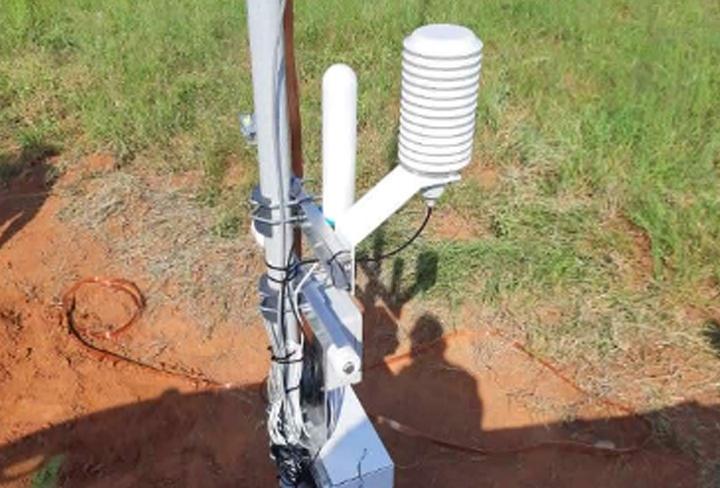
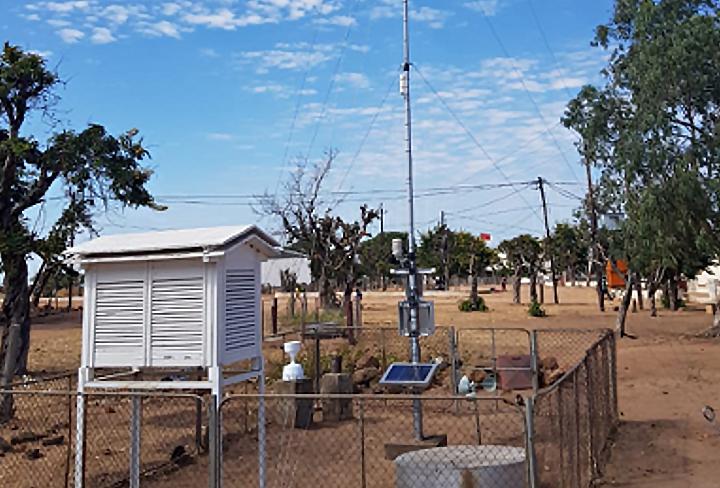
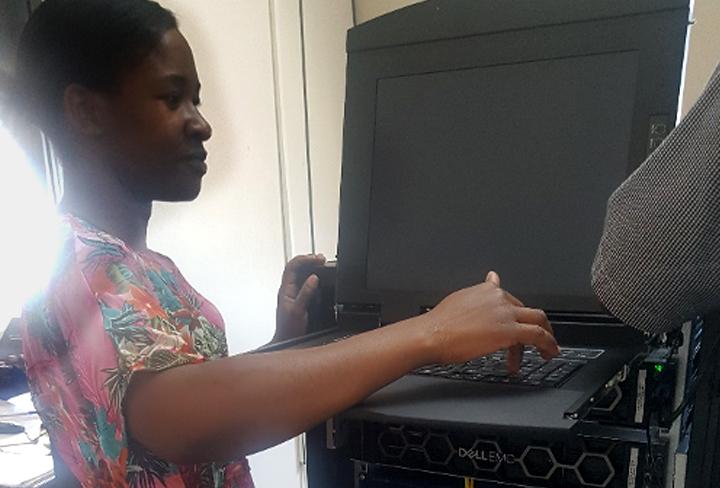
The African Development Bank helped install 40 Automatic Weather Stations, 13 High Performance Computing Services and 2 Automatic Message Switching systems to benefiting SADC countries, thereby improving the capacity of National Meteorological and Hydrometeorological Services (NMHSs) to access, process and monitor the weather- and climate-related data and systems for timely early warning and information dissemination. Over 80 national experts were trained on seasonal climate forecasting techniques, climate risk assessment and modelling as well as the numerical weather prediction. Experts and policy makers are better equipped to develop effective disaster mitigation strategies that would facilitate reduction of weather-related disaster risks and build resilience and adaptive capacity of community.
With a grant of Euros 3.2 million, the African Development Bank leveraged observation and forecasting technology that will help SADC countries improve their preparedness and early warning systems through increasing the issuing of timely alerts, contingency planning and mechanisms to initiate effective response activities.
Raj, who was also an Expert Reviewer of the IPCC Special Report on Global Warming of 1.5°C, remarked that “the coming decade will be a critical one for addressing ways to adapt and mitigate climate change impacts”. Hence, improving preparedness, early warning systems and established systems for understanding how disaster losses are generated remains critical to saving lives and building resilience of socio-economic and infrastructural systems to climate change.