
A more sustainable future for Izmir

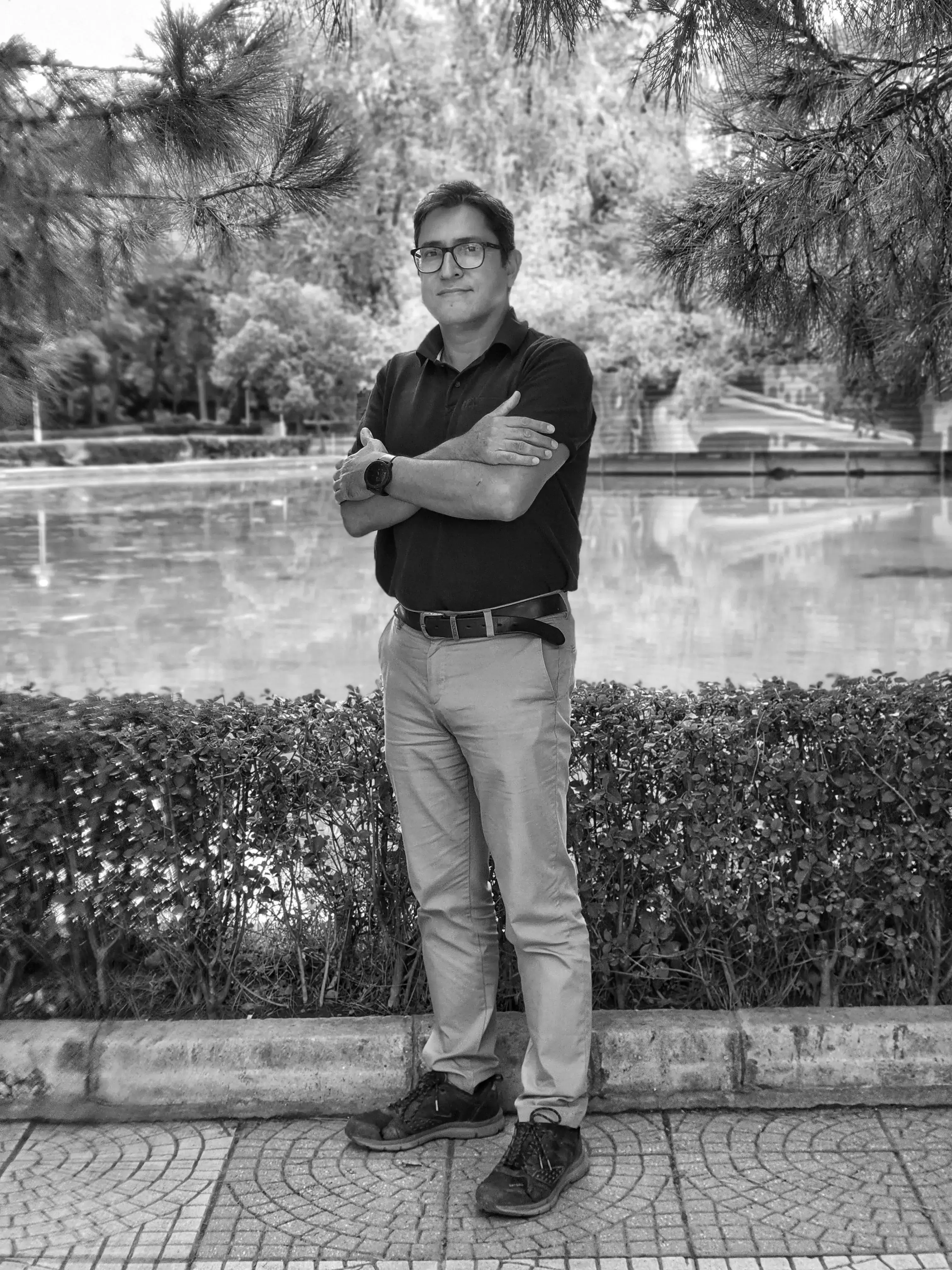
Çağlar, an engineer at the Izmir Metropolitan Municipality, is working hard to assess the city’s current environmental status, identify problems and gaps, and prioritise actions to make Izmir a greener city. The high ambitions set for the future include a new strategy that establish a relationship between city and countryside, with nature in focus and emphasise on every citizen and the collective effort needed.
Izmir, Turkey’s third-largest city, joined EBRD Green Cities in 2019. By adopting a Green City Action Plan, the city has the opportunity to address key environmental challenges, such as waste management and air quality. This will enable the authorities to promote a greener and more sustainable vision for the future of Izmir and its more than 4.3 million inhabitants.
More than half of the world’s population lives in cities. With highly energy-intense buildings and transport networks that rely mainly on private cars, it is no surprise that cities consume around 78 per cent of the world’s energy and produce more than 60 per cent of its greenhouse gas (GHG) emissions.
City councils, other policymakers, international organisations, local NGOs and the private sector are already working together to address environmental challenges and modernise cities.
However, more and faster changes are needed, as another 2.5 billion people are projected to reside in urban areas by 2050. This is what people like Çağlar Tükel, engineer at the Directorate of Climate Change and Clean Energy in the Izmir Metropolitan Municipality, are trying to achieve.
“As the population of the city grows, there is more stress on and a greater threat to nature and our resources,” Çağlar says. “One of the biggest challenges is to maintain economic growth while protecting the environment and nature. Cities like Izmir are now more vulnerable to the adverse effects of climate-change crises, such as drought, flood and extreme heat. Making Izmir a resilient city is challenging, therefore, but there is no other option.”
With the support of the European Bank for Reconstruction and Development’s (EBRD) Green Cities programme, the city of Izmir has compiled a Green City Action Plan (GCAP), including a list of the environmental investments and policy actions most suited to addressing the municipality’s environmental challenges.
“Plans like these will have a big effect on every individual in my city,” Çağlar says. “On the metro, in the street, wherever, people do not recognise me personally, but I know I am doing an important thing for them, which is such a proud feeling.”
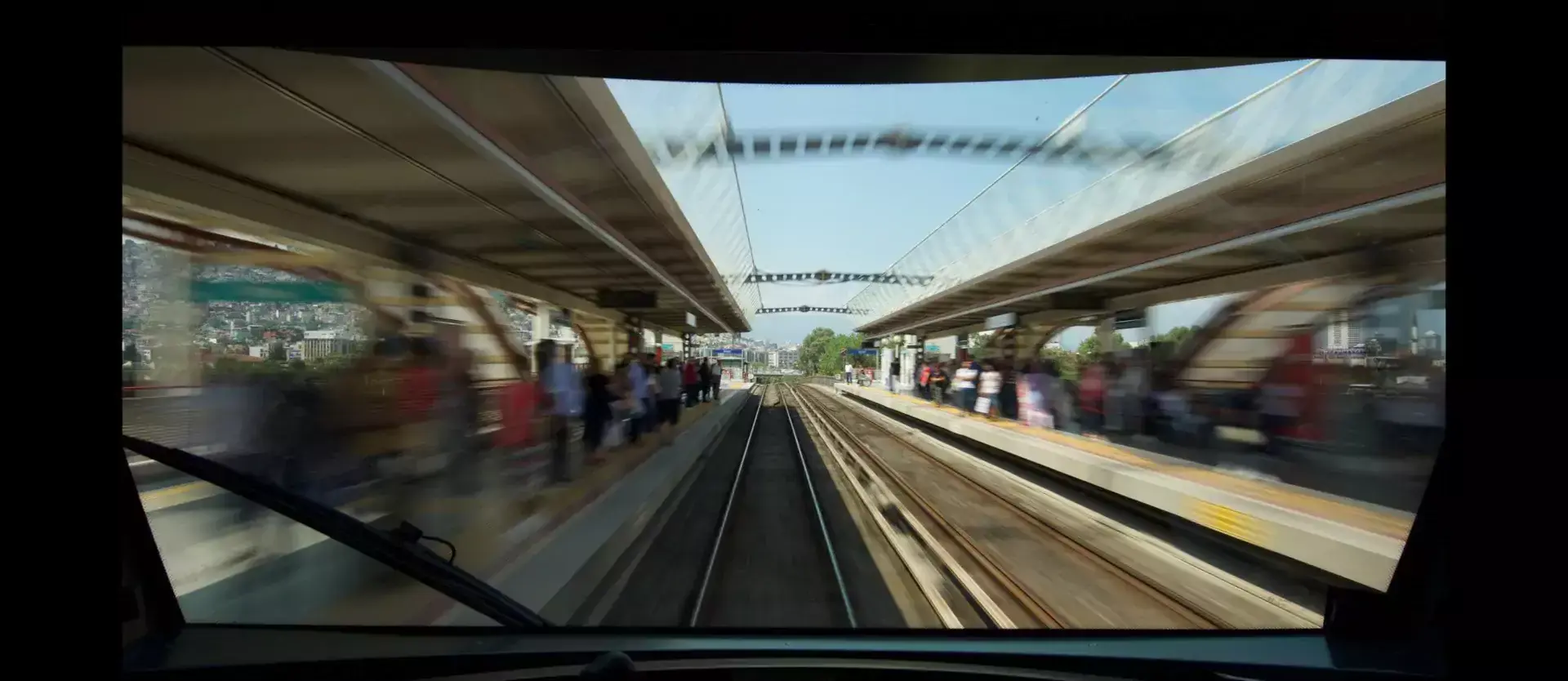
Through EBRD Green Cities, a new metro line has also been funded, which provides safer, more reliable and greener transport for about 500,000 residents in the urban district of Buca.
The new line connects with municipal bus, suburban rail and tram networks and helps replace more polluting modes of transport, such as private cars and minibuses. It will further reduce traffic congestion and noise pollution and is expected to almost halve the area’s GHG emissions from current levels.
The EBRD Green Cities programme was established in 2016. Since then, it has assisted more than 50 cities on three continents, addressing their environmental issues and improving the quality of life of residents.
With new funding approved during the COP26 climate conference in November 2021, more than €5 billion are now dedicated to supporting EBRD Green Cities. The programme has also mobilised significant co-finance. This includes US$ 17.8 million from the Climate Investment Funds (CIF)’s Clean Technology Fund, as well as funding and technical cooperation from the Green Climate Fund (GCF) and a number of EBRD bilateral donors.
The programme makes a major contribution to tackling climate change. Investments – from reducing building emissions to increasing the efficiency of transport ‒ help save nearly 1.2 million tonnes of carbon emissions per year, the equivalent of 254,500 cars.
Three more Turkish cities are also taking part in the programme: Ankara, Istanbul and, more recently, Gaziantep.
The EBRD's Green Cities programme has broadened our view and helped us to understand how to be a greener and more resilient city,” Çağlar says. “Through the GCAP, we have been able to assess the city’s current environmental status, identify problems and gaps, and prioritise actions with a view to becoming a greener city.”
Çağlar and his colleagues have other, highly ambitious plans to make Izmir greener. “We recently announced ‘Izmir's Strategy for Living in Harmony with Nature’,” he says. “The strategy establishes a relationship between city and countryside, blending this with current plans, while always keeping nature always in mind.”
The onus doesn’t just fall on city councils; every citizen needs to adopt greener habits, Çağlar stresses. “It is a collective effort to become a greener and more resilient city, so every citizen should play their part in helping to become a sustainable, resilient and liveable city.”