
How to make sweets with the help of the sun

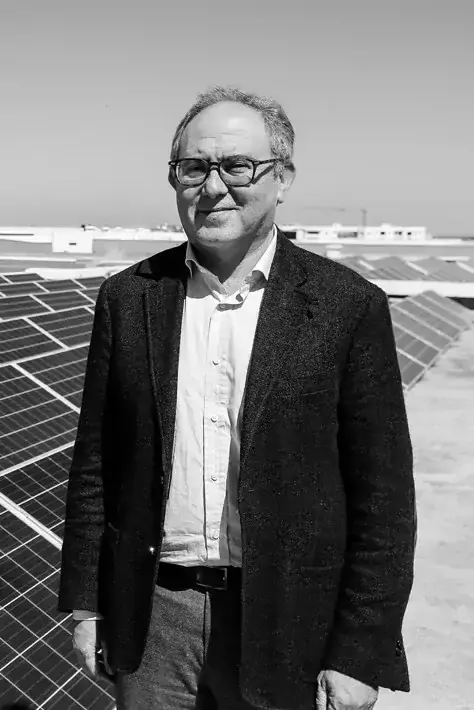
When Hakim Marrakchi, the CEO of Maghreb Industries, visited a confectionery factory in Belgium which was running on solar energy, he thought to himself “if they can produce solar power in Belgium, then why can’t we do it in Morocco where we have so much sun?”. His company is one of the first in the region to have installed photovoltaic panels and the system for conversion of the energy. They are covering 50 per cent of their electricity needs from solar energy and there is no energy waste. Now other companies come to him to seek advice.
The European Bank for Reconstruction and Development (EBRD) with support from the EU helped Hakim Marrakchi’s company “Maghreb Industries” adapt its strategy to new business needs and make its operations more sustainable and efficient. With the EBRD’s help, the company was able to install a photovoltaic plant on the roof of its factory, along with various energy-efficiency measures that have helped reduce the company’s energy costs by 60 per cent.
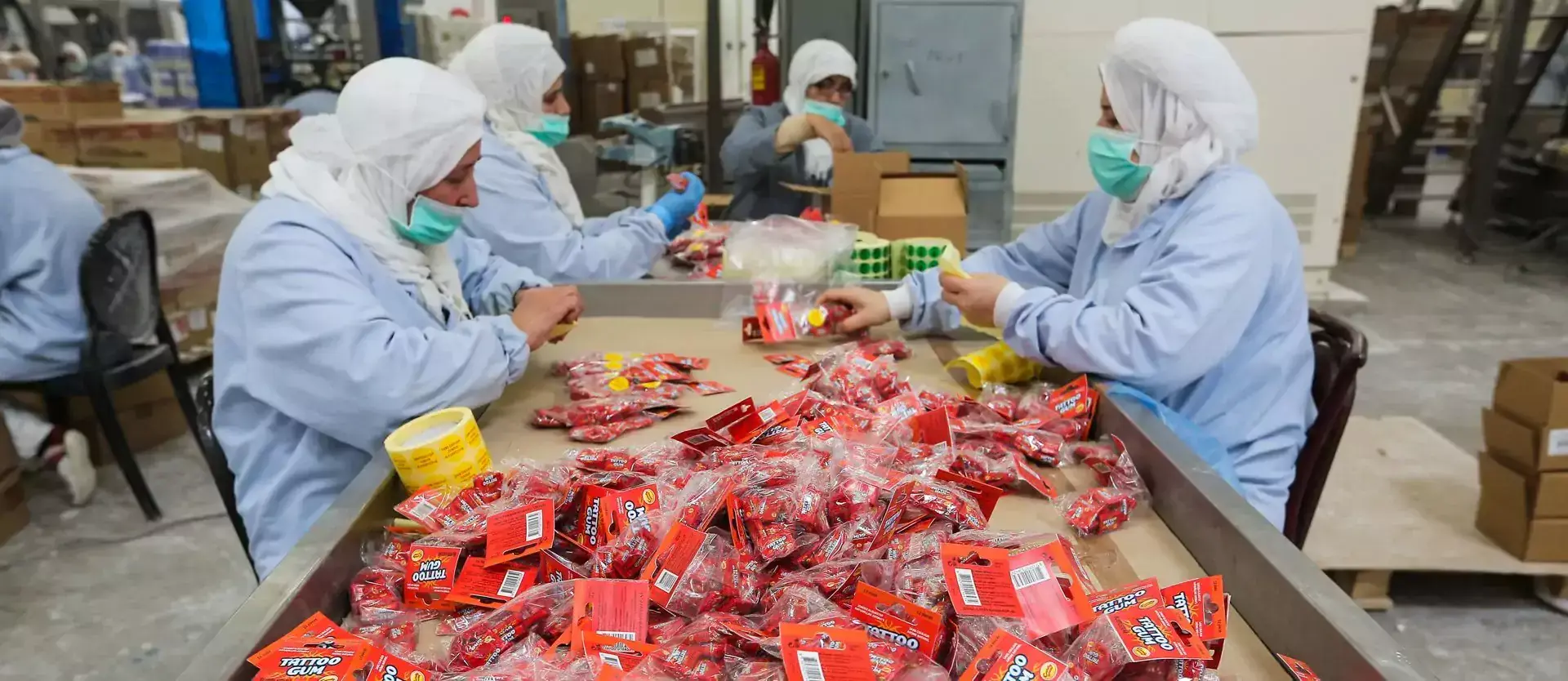
It was in the 1950s when Mr Marrakchi’s grandfather started trading in confectionery. Back then, American soldiers who settled in North Africa brought with them a product which very few knew about – chewing gum. The skilful Marrakchi grandfather sensed the potential of the new product and started to import chewing gum from the USA and then opened his own factory in Morocco in 1959.
Thanks to his entrepreneurial talent, the Marrakchi family grew to become one of the biggest producers of chewing gum and confectionery in Morocco. They are also one of the biggest exporters in Morocco; up to 70 per cent of their products are sold abroad. The products range from original mint and fruit flavoured sweets and chewing gum, with the brands Flash and Yamy the most popular.
"The confectionery industry is changing all the time. We anticipate trends and have countless ideas for innovation, but one of our biggest challenges is to translate these ideas into reality,” explains Hakim Marrakchi, CEO of the company.
Mr Marrakchi is following his grandfather’s example, bringing a big change to his country. But this time, the change is green. His company is among the first in the region to have installed photovoltaic panels and the system for conversion of the energy.
They are now covering 50 per cent of their electricity needs from solar energy and there is no energy waste. Now other companies come to them to seek advice.
With its Advice for Agribusiness programme and the support of the EU, the EBRD helped Maghreb Industries adapt its strategy to new business needs and make its operations more sustainable and efficient.

"One of the secrets of our success is that we are a family-owned company with a strong mission to continue and to improve the business and pass it over to the young generation. We don’t look only at immediate profit, but rather make long-term plans and investments," explains Mr Marrakchi.
Forward-looking strategy is why they decided to invest in another project which is considered to be revolutionary in Africa.
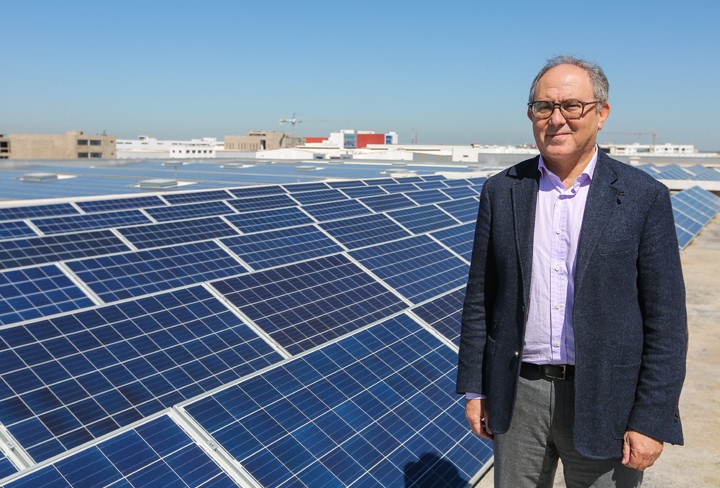
"I visited a confectionery factory in Belgium which was running on solar energy," Mr Marrakchi says. "And I thought to myself, if they can produce solar power in Belgium, where it rains all the time, then why can’t we do it in Morocco, where we have so much sun?”.
With finance provided by the EBRD’s Finance and Technology Transfer Centre for Climate Change (FINTECC), Maghreb Industries was able to install a photovoltaic plant on the roof of its new factory, along with various energy-efficiency measures that have helped reduce the company’s energy costs by 60 per cent.
In addition to the EBRD’s loan to fund the construction of the new factory, FINTECC provided an incentive grant and technical support to implement a range of renewable energy and energy-efficient technologies.
"I am everyday more pleased by this investment. Thanks to this initial experience, we plan to extend" our investment, as solar energy is cheaper and more effective. We will further develop the energy storage technics implemented to double the initial capacity, as well as use all available space to install more solar panels,” Mr Marrakchi says.